
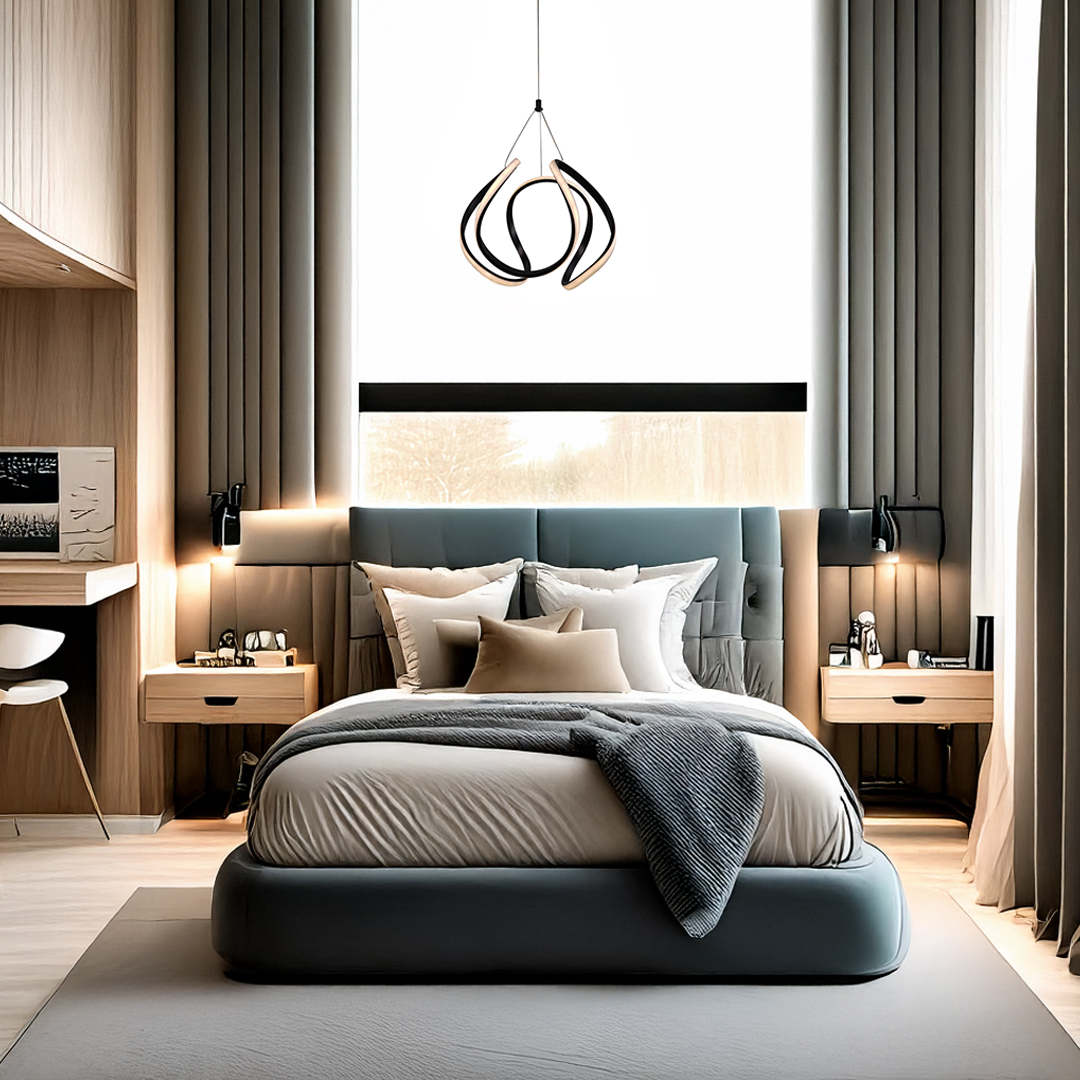
How to choose the perfect lighting for a child’s room

A child’s room is a vital space in the house, as our children spend most of their time there. Therefore, it’s important to choose suitable and safe lighting that reflects their personality and adds fun and joy to the room, helping to create a space that encourages their creativity.

So, in this article, you’ll learn how to transform a child’s room from an ordinary room into a cheerful place that reflects your child’s personality, encouraging them to spend more time there and have fun.

Here are some important points to consider when choosing lighting for your child’s room:

First: Variety in Lighting Options:

1- Natural Light:

It’s very important to provide ample natural light in your child’s room for their health and increased activity.

2- Ambient Lighting:

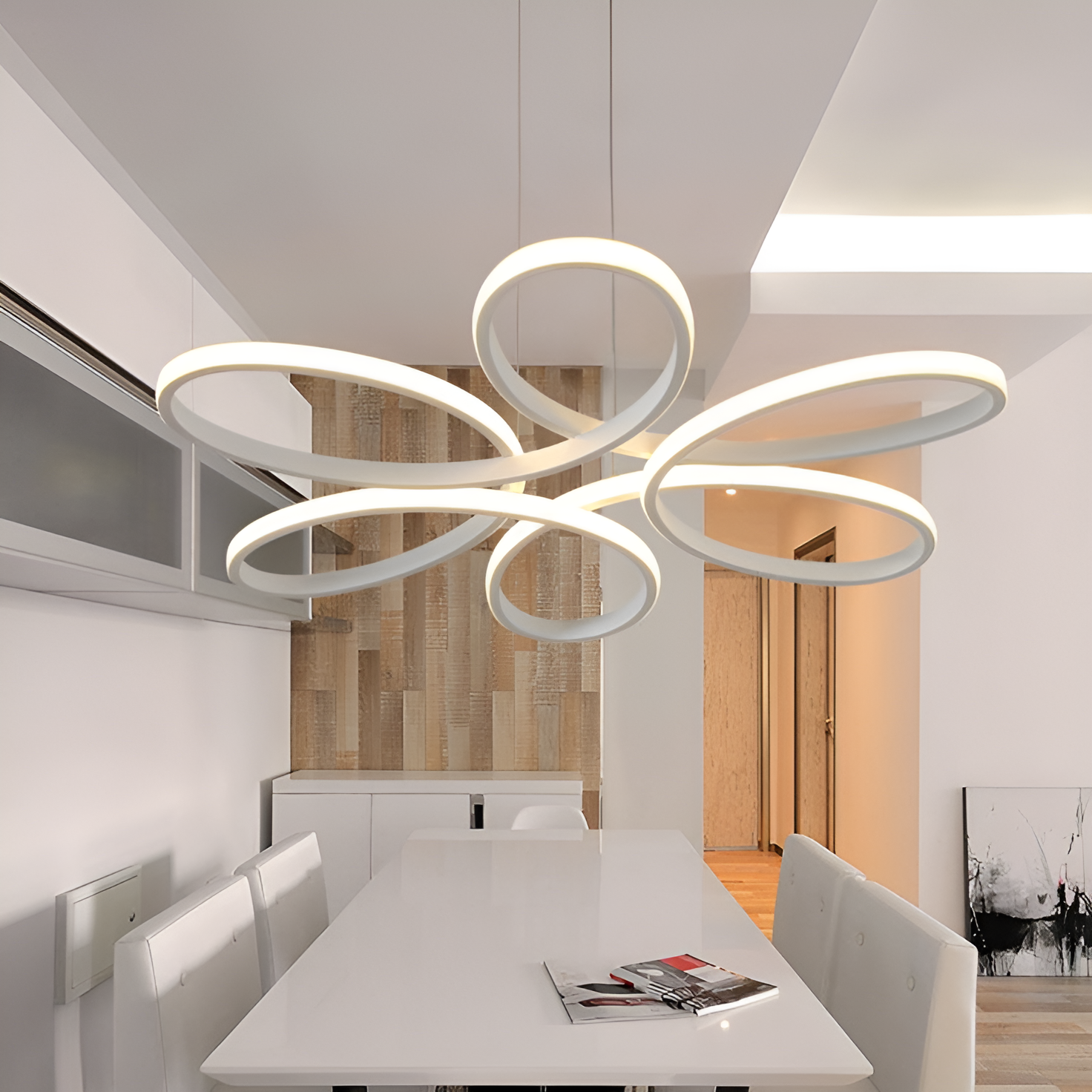
This is general lighting that spreads comfortably throughout the room without causing any discomfort. It’s typically placed in the center of the ceiling (spotlights, recessed lights, ceiling lamps, chandeliers, and pendants).

* It’s best to use a colorful and cheerful chandelier or pendant light in the center of the room to create a beautiful and relaxing atmosphere for your child.
Quisque Bibendum Sem Nibh, Quis Fermentum Odio Suscipit Vitae. Integer Et Sem Id Dui Fringilla Vestibulum Non Vitae Lectus. Nunc At Consequat Sem. Duis Sollicitudin Orci Eleifend Dui Pharetra,

-Hailey Mccray, Sydney

3- Task Lighting:

Create a cheerful corner in your child’s room to encourage studying and hobbies such as drawing and coloring.

You can use study lamps or spotlights to illuminate this corner.

4- Directional Lighting:

You can use this to provide a nighttime light for your child to feel comfortable at bedtime. Children are very active, so if they wake up, they may find a little light.

For example, you can use wall sconces, candlesticks, or small spotlights.

Second: Controlling Room Light Intensity:

Use a dimmer switch to control the light intensity. For example, you can increase the brightness during playtime and decrease it before bedtime.

Third: The Color of Light Used in Your Child’s Room:

1- White and Blue:

These colors increase your child’s activity and energy, especially during study time. However, it’s best to minimize blue light because prolonged exposure to it can cause stress and insomnia.

It’s best to use these colors during study time and other activities.

2- Yellow:

This is one of the most relaxing and soothing colors, and it’s best used as a nightlight to help your child fall asleep.

Fourth: Room Safety:

1- It is essential to choose safe light bulbs, preferably LED bulbs, and avoid halogen bulbs as they generate high heat.

2- Light switches should be kept out of your child’s reach.

Previous

Common mistakes in distributing lighting units in the home

next

Important Information About Lamps

0
    Your Cart
    Your cart is emptyReturn to Shop